
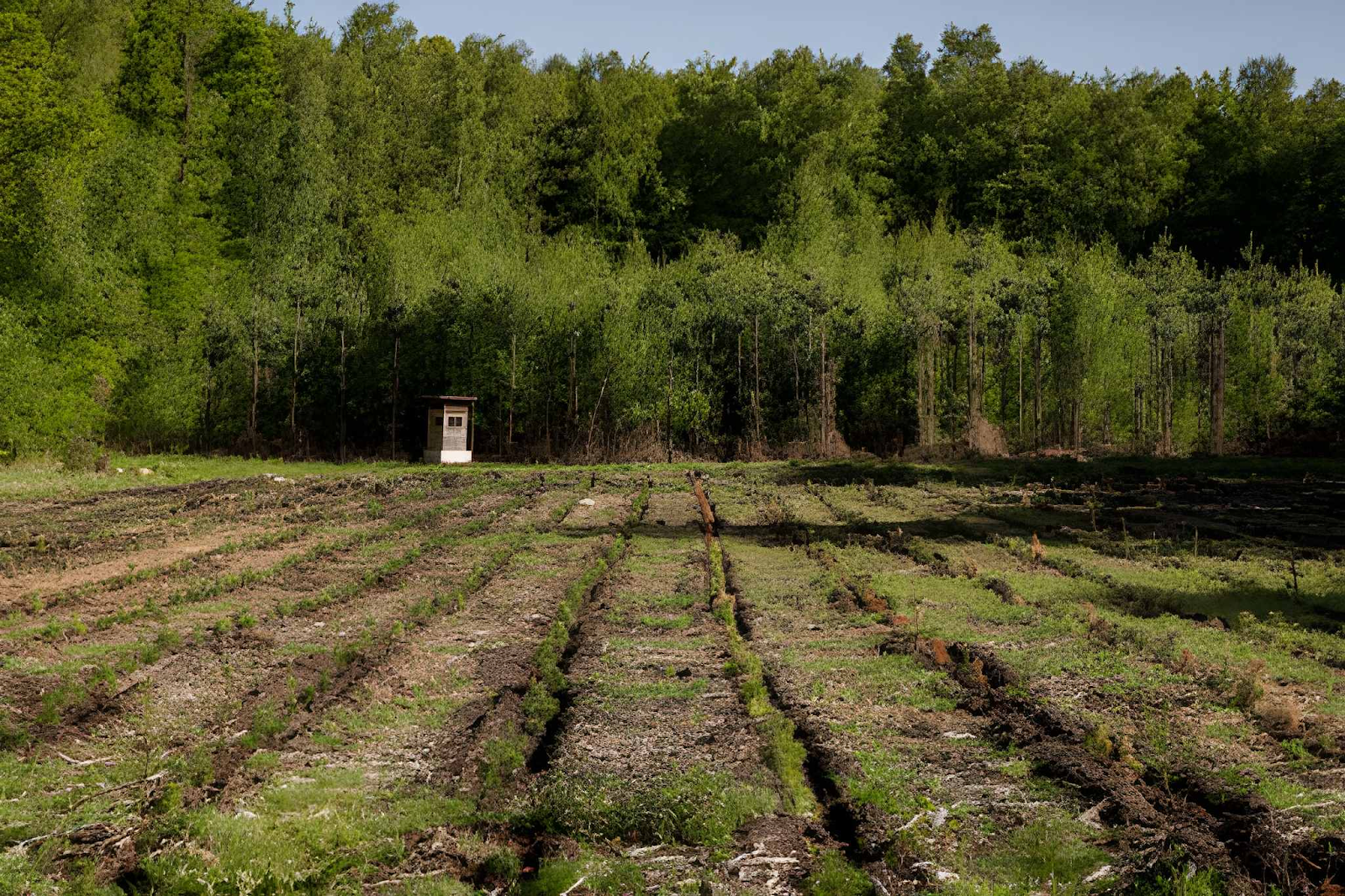
Planting small food plots for deer is one of the most effective ways Georgia landowners can improve wildlife habitat without committing to large acreage or high expenses. When done correctly, even a modest plot can attract deer, support herd health, and enhance land value.
Many rural property owners assume food plots require extensive equipment or large budgets. In reality, thoughtful planning, soil awareness, and strategic plot layout can deliver strong results. BHH Land Clearing supports Georgia landowners by preparing land and clearing vegetation in a way that makes food plot establishment more efficient, manageable, and reliable from the start.
Why Small Food Plots Matter for Deer Habitat
Small food plots play a critical role in improving deer habitat, especially on properties where space is limited. They provide a consistent food source while encouraging natural movement patterns.
In Georgia, deer rely on diverse forage throughout the year. A well-placed food plot supplements natural browse and helps balance pressure on surrounding vegetation. In addition, food plots concentrate deer activity, which supports wildlife observation and responsible land management.
Small plots also allow landowners to experiment with locations and planting strategies before expanding efforts.
Understanding Your Land Before Planting
Successful food plots begin with understanding the land itself. Rushing into planting without proper evaluation often leads to poor growth and wasted effort.
Soil Testing and Preparation
Soil testing is one of the most important steps in planting small food plots for deer. Testing reveals nutrient levels and soil conditions, allowing landowners to adjust accordingly.
Healthy soil supports stronger plant growth, which leads to more reliable forage. Preparing the soil properly also reduces weed competition and improves long-term plot performance.
Sunlight and Drainage
Deer forage grows best in areas with consistent sunlight and proper drainage. Shaded or waterlogged areas often struggle to support productive growth.
Choosing a location with balanced sun exposure and natural drainage improves success while reducing maintenance needs.
Smart Plot Layout for Small Properties
Plot layout determines how deer access and use food plots. Strategic placement can significantly increase effectiveness without increasing size.
Edge Placement and Natural Travel Routes
Small food plots work best when placed along natural travel corridors. Deer feel more comfortable entering plots that connect to cover rather than open areas.
Edges near timber lines or brush create a sense of security and encourage daytime use.
Shape and Access Considerations
Irregular shapes often outperform perfectly square plots. Curved or elongated layouts allow deer to enter gradually while providing multiple access points.
Keeping access routes low-impact helps maintain natural behavior and reduces pressure on the plot.
Choosing Crops for Small Food Plots
Crop selection should align with soil conditions, seasonal needs, and maintenance ability. Some plants perform well in small plots because they tolerate browsing pressure and varied conditions.
A mix of forage types often delivers better results than relying on a single crop. Diverse plantings support deer nutrition while extending attraction throughout different growth stages.
Landowners focused on deer habitat improvement benefit from choosing hardy, low-maintenance options suited to Georgia’s climate conditions.
Budget-Friendly Planting Strategies
Keeping costs low does not mean sacrificing quality. Thoughtful planning allows landowners to maximize results while minimizing expenses.
Using existing equipment, preparing soil thoroughly, and selecting appropriate seeds all contribute to efficient planting. Small plots require less input overall, making them ideal for cost-conscious property owners.
In addition, maintaining plots through proper timing and light management reduces the need for repeated intervention.
Maintaining Small Food Plots Over Time
Maintenance ensures food plots remain productive year after year. Fortunately, small plots are easier to manage than larger fields.
Regular observation helps identify issues early. Addressing weeds, soil health, and plant condition prevents long-term decline.
Allowing plots to rest or rotate plant types also supports soil recovery and reduces disease pressure.
Common Mistakes to Avoid
Many landowners struggle with food plots due to avoidable mistakes. Skipping soil testing, choosing poor locations, or overplanting often leads to disappointing results.
Another common issue is neglecting maintenance after planting. Even small food plots require periodic attention to remain effective.
Learning from these mistakes helps landowners build stronger, more reliable plots over time.
How Small Food Plots Support Long-Term Land Value
Beyond attracting deer, food plots contribute to overall land health. Improved soil structure, controlled vegetation, and balanced wildlife activity enhance property sustainability.
For rural landowners, planting small food plots for deer supports both conservation goals and recreational enjoyment.
Over time, these improvements increase land usability and appeal.
Frequently Asked Questions
1. Can small food plots really attract deer?
Yes. When placed and maintained correctly, small plots provide reliable forage that attracts deer consistently. Strategic location near natural cover increases daytime use and deer comfort.
2. Is soil testing necessary for food plots?
Soil testing helps identify nutrient needs and improves planting success. It also prevents wasted effort by ensuring the soil can support healthy forage growth.
3. How much maintenance do small food plots need?
Small plots require regular observation and light maintenance to remain productive. Simple tasks like monitoring growth and controlling weeds help sustain long-term results.
4. Do food plots replace natural forage?
Food plots supplement natural forage and support overall deer habitat balance. They reduce pressure on surrounding vegetation and improve nutrition availability.
5. Are small food plots suitable for new landowners?
Yes. They are an excellent starting point for learning wildlife management without large investments. Small plots allow new landowners to gain experience while seeing measurable improvements in habitat quality.
Conclusion
Planting small food plots for deer is a practical and rewarding way for Georgia landowners to improve habitat without overextending resources. With proper soil preparation, thoughtful plot layout, and consistent maintenance, even modest plots can deliver strong results.
If you are ready to enhance deer habitat on your property, start with a plan that prioritizes efficiency and sustainability. Consult a local land management professional or wildlife specialist today to ensure your food plot strategy aligns with your land’s unique conditions. Smart preparation now leads to healthier habitats and better long-term outcomes.