
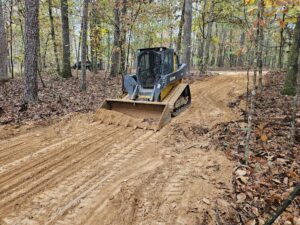
 Land management is a crucial aspect of urban planning and environmental conservation that goes far beyond the simplistic task of clearing land. In Athens, a city with a rich historical heritage and a growing population, understanding the complexities of land management is vital for sustainable development. This article will explore the components of land management, the impacts of urbanization on landscapes, and the significance of conservation efforts in Athens. It will also discuss modern practices and technologies that contribute to effective land management, emphasizing the need for a holistic approach that considers ecological, economic, and social factors.
Land management is a crucial aspect of urban planning and environmental conservation that goes far beyond the simplistic task of clearing land. In Athens, a city with a rich historical heritage and a growing population, understanding the complexities of land management is vital for sustainable development. This article will explore the components of land management, the impacts of urbanization on landscapes, and the significance of conservation efforts in Athens. It will also discuss modern practices and technologies that contribute to effective land management, emphasizing the need for a holistic approach that considers ecological, economic, and social factors.
Effective land management involves several key components, including land use planning, zoning regulations, environmental assessments, and community engagement. In Athens, land use planning must carefully balance the needs of urban growth with the preservation of green spaces, historical sites, and natural ecosystems. Zoning regulations dictate how land can be used, which is essential for maintaining the character of neighborhoods and ensuring that residential, commercial, and recreational areas coexist harmoniously. Environmental assessments help to identify potential impacts of new developments on the surrounding environment, allowing for informed decision-making that prioritizes sustainability.
The rapid urbanization of Athens has resulted in significant changes to its landscapes, often leading to habitat loss, increased pollution, and strained infrastructure. As the city expands, green spaces are frequently compromised, affecting biodiversity and the quality of life for residents. The challenge lies in accommodating growth while protecting the natural environment and historical contexts that define Athens. Urban sprawl can result in the loss of agricultural land, so it is critical to incorporate agricultural sustainability into land management strategies.
Conservation efforts in Athens are essential for safeguarding its unique cultural and natural heritage. Strategies such as creating protected areas, restoring degraded landscapes, and implementing sustainable tourism practices can help to ensure that both the environment and the city’s historical assets are preserved for future generations. Conservation also requires collaboration among government agencies, non-profit organizations, and local communities to foster a collective responsibility towards land stewardship.
Modern practices and technologies play a vital role in enhancing land management efforts. Geographic Information Systems (GIS) and remote sensing tools can provide valuable data for monitoring land use changes, assessing environmental conditions, and planning urban developments. Smart city technologies, such as sensors and data analytics, can help optimize resource use and improve urban infrastructure, ultimately leading to more sustainable land management outcomes.
In conclusion, effective land management in Athens requires a holistic approach that integrates ecological, economic, and social considerations. By prioritizing sustainable development, embracing modern technologies, and fostering community collaboration, Athens can navigate the challenges of urbanization while preserving its historical and natural treasures. As the city continues to evolve, thoughtful land management practices will be essential for creating a resilient and vibrant urban environment that benefits all its inhabitants.