
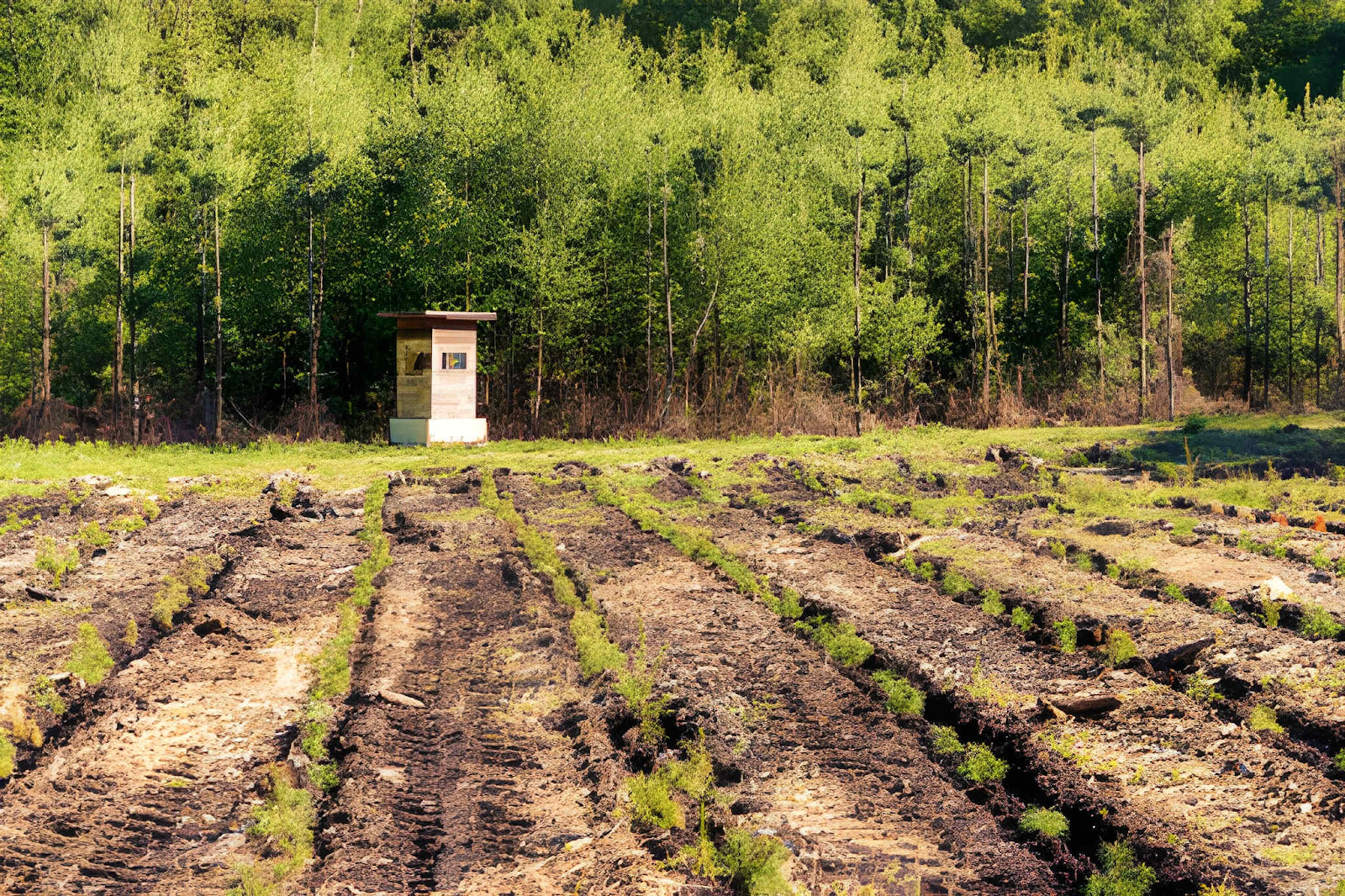
Wildlife food plots for deer are one of the most effective tools Georgia hunters and land managers can use to attract, hold, and support healthy whitetail populations. When done correctly, food plots become predictable feeding locations, improve herd nutrition, and strengthen the overall habitat. When done poorly, they become expensive green patches that deer ignore.
Georgia’s soil types, rainfall patterns, and extended growing seasons require a different approach than northern states. At BHH Land Clearing, land preparation is approached with these regional factors in mind, focusing on proper soil conditioning, smart seed selection, and season-specific planting strategies that help food plots influence deer movement instead of wasting time and money.
Why Wildlife Food Plots Matter More in Georgia
Georgia deer rely heavily on native browse, but that natural food supply shifts throughout the year. During hot summers and late winter periods, nutritional gaps often appear. Well-managed wildlife food plots for deer help bridge those gaps and keep deer on your property instead of pushing them onto neighboring land.
Food plots also concentrate activity, which helps hunters observe deer patterns, improve herd management decisions, and create consistent hunting opportunities without disrupting bedding areas.
Understanding Georgia Soil Before You Plant Anything
Soil preparation is the foundation of every successful food plot. Many Georgia properties sit on sandy, acidic, or clay-heavy soils that limit nutrient availability. Planting without addressing soil conditions usually leads to weak growth and poor attraction.
Soil Testing Is Not Optional
A soil test tells you what your plot can support and what amendments it needs. Testing reveals soil pH and nutrient levels so you can apply the right lime and fertilizer before planting.
Most deer forage plants thrive in soil that allows nutrients to be easily absorbed by roots. If pH is ignored, fertilizer becomes far less effective, no matter how much you apply.
Clearing and Ground Preparation
Food plot soil preparation begins with clearing competing vegetation. Grass, weeds, and woody plants steal moisture and nutrients from your seed. A clean seedbed allows young plants to establish quickly and reduces early stress.
After clearing, lightly till or disc the soil to create a firm but workable surface. Avoid deep tilling that brings poor soil layers to the surface.
Choosing the Right Deer Food Plot Seed Mix
No single seed works year-round in Georgia. Successful wildlife food plots for deer rely on matching plant types to seasonal needs and soil conditions.
Cool Season Forage Options
Cool-season plots support deer during hunting season and winter stress periods. These plants remain attractive when native browse declines.
Common cool-season choices include:
- Cereal grains for quick growth and early attraction
- Legumes that improve soil health while providing protein
- Brassicas that become more attractive later in the season
Blending multiple species improves plot resilience and extends attractiveness.
Warm Season Forage Options
Warm season plots focus on summer nutrition when bucks grow antlers and does raise fawns. These plants tolerate heat and drought better than cool-season varieties.
Popular warm season options include:
- Protein-rich legumes
- Heat-tolerant grains
- Broadleaf forages that resist browsing pressure
Warm-season plots also reduce pressure on fall plots by spreading feeding activity across the year.
Seasonal Timing That Makes or Breaks Food Plots
Planting at the wrong time is one of the most common mistakes in Georgia food plots. Seasonal timing determines germination success, plant maturity, and how long deer use the plot.
Early Season Planning
Proper planning starts months before the seed touches soil. Soil testing, lime application, and vegetation control should happen well ahead of planting windows. This allows amendments to activate and weeds to die back.
Fall Planting Strategy
Fall food plots are the most critical for hunters. Timing should align with expected rainfall and cooling temperatures. Planting too early risks heat stress. Planting too late limits root development.
A balanced fall plot provides immediate attraction while continuing to feed deer through winter.
Spring and Summer Planting Strategy
Warm-season planting focuses on soil temperature and moisture. Seeds planted in cold or dry soil struggle to emerge. Monitoring weather patterns helps avoid wasted seed.
Summer plots should be protected early to prevent over-browsing before plants establish.
Plot Size and Location for Maximum Deer Use
Bigger is not always better when it comes to wildlife food plots for deer. Location often matters more than size.
Choosing the Right Location
Ideal plot locations sit between bedding and travel corridors. Plots placed too close to roads or high traffic areas may see limited daylight activity.
Edge habitat near timber transitions often receives more consistent deer use.
Managing Plot Pressure
Smaller plots can be more effective if managed properly. Rotating pressure between multiple plots prevents over-browsing and keeps plants productive longer.
Screening cover near plots helps deer feel secure entering during daylight.
Maintaining Food Plots Throughout the Year
Planting is only part of the process. Maintenance determines how long your plot stays attractive.
Weed Control
Weeds reduce forage quality and crowd out preferred plants. Early control is easier than waiting until weeds dominate. Selective herbicides or mechanical control methods help maintain plant balance.
Fertilization and Soil Health
Ongoing fertilization supports regrowth after browsing. Organic matter from legumes and decaying plant material improves soil structure over time, reducing future input costs.
Common Mistakes That Reduce Deer Attraction
Many food plots fail for predictable reasons. Avoiding these issues improves success without increasing effort.
Common mistakes include:
- Skipping soil testing
- Planting one seed type only
- Ignoring seasonal timing
- Overplanting small plots
- Placing plots in exposed locations
Correcting just one of these issues often leads to noticeable improvement.
How Food Plots Support Ethical Herd Management
Wildlife food plots for deer are not just about hunting success. They support healthier herds by improving nutrition, reducing stress, and spreading deer across the landscape.
Better nutrition leads to stronger immune systems and improved fawn survival. Balanced plots also reduce overbrowsing pressure on native vegetation.
Conclusion
Wildlife food plots for deer in Georgia succeed when soil preparation, seed selection, and seasonal timing work together. There is no shortcut or one-size-fits-all approach. By understanding your land, planting with intention, and maintaining plots throughout the year, you create a food source that deer trust and return to consistently.
When managed correctly, food plots become more than green patches. They become a central part of ethical herd management, habitat improvement, and reliable hunting opportunities across every season. If your property needs professional land clearing, soil preparation, or site development to support long-term wildlife goals, BHH Land Clearing can help prepare the ground the right way from the start.
Frequently Asked Questions
1. How long does it take for deer to start using a new food plot?
Deer often investigate new plots quickly, but regular use increases as plants mature and pressure decreases.
2. Can food plots replace natural forage?
Food plots supplement natural forage but should not replace habitat diversity and native browse management.
3. Do food plots work on small properties?
Yes, when placed correctly and managed carefully, small plots can strongly influence deer movement.
4. Should plots be hunted directly?
Hunting pressure should be limited. Observational hunting or downwind setups often work better.
5. Is fertilizing every season required
Fertilization needs depend on soil health and plant types. Soil testing guides proper application.