
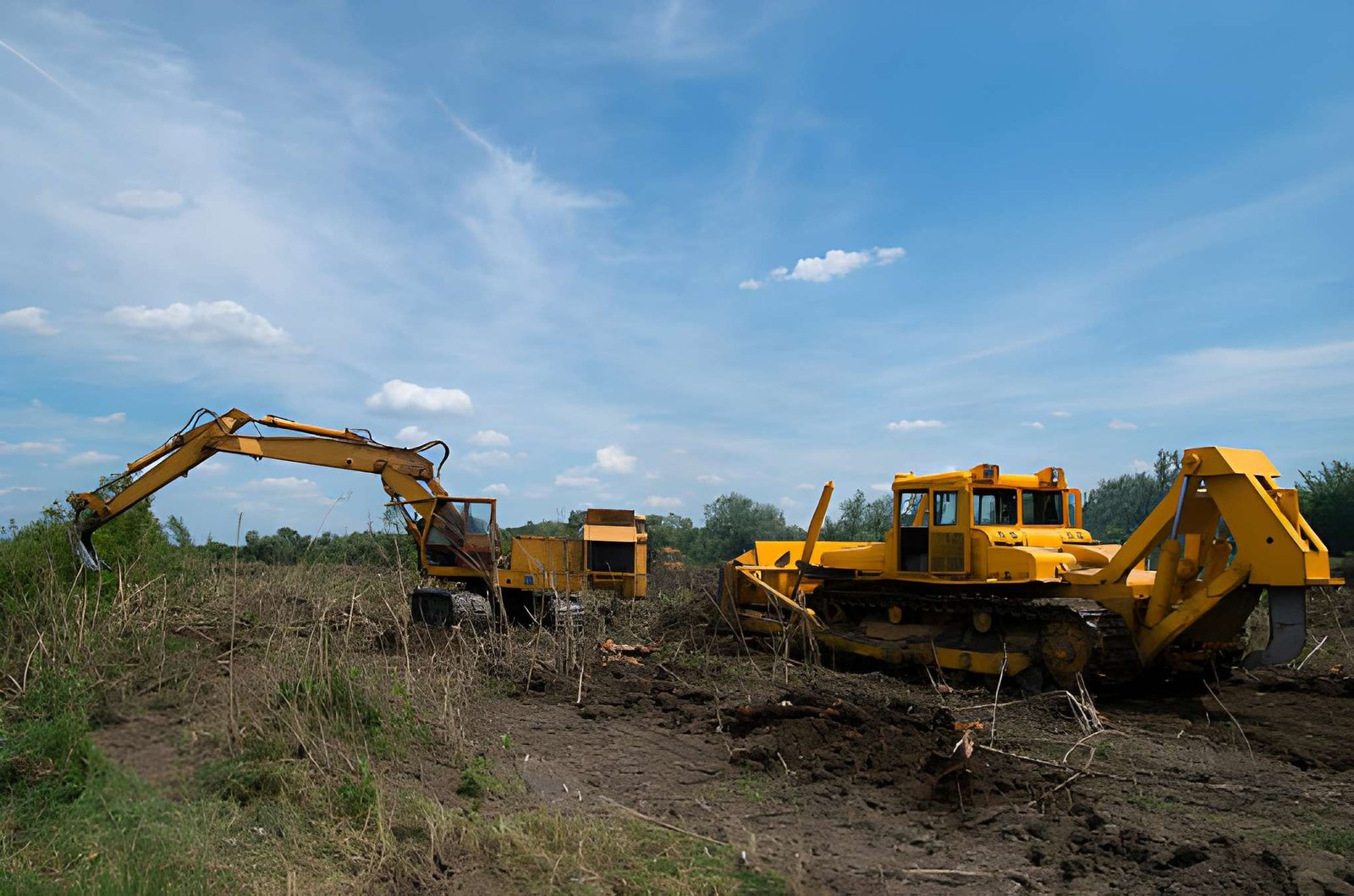
Hiring a land clearing company is often the first major step in turning raw land into usable property. Whether you are preparing for a new home, agricultural use, or commercial property development, understanding the land clearing process helps you make informed decisions and avoid costly mistakes.
Many property owners assume land clearing is just tree removal. In reality, professional lot clearing services involve detailed planning, specialized heavy equipment, environmental awareness, and careful site preparation. When done right, it sets the foundation for everything that follows.
Understanding what happens behind the scenes when you hire a professional team like BHH Land Clearing allows you to plan confidently, set realistic expectations, and ensure your property is prepared the right way from the start.
Why Hiring a Professional Land Clearing Company Matters
Choosing an experienced land clearing company protects your investment from the start. Clearing land without proper planning can lead to soil erosion, drainage issues, and unstable ground conditions.
Professional excavation contractors understand local soil types, vegetation density, and site grading needs. As a result, they can recommend the best clearing method for your property.
In addition, working with professionals ensures:
- Safe operation of heavy equipment
- Proper brush control and debris handling
- Compliance with local regulations
- Efficient timelines for property development
Because land clearing directly impacts your foundation and drainage, precision matters.
The Initial Site Evaluation and Planning Phase
Before any machinery arrives, the land clearing process begins with a thorough site inspection.
Property Assessment
A professional team will evaluate:
- Tree density and species
- Underbrush and brush control requirements
- Slope and terrain conditions
- Soil stability
- Drainage patterns
This assessment determines what type of heavy equipment is required and how the clearing should proceed.
Permits and Environmental Considerations
Depending on your location, permits may be required. Reputable companies stay updated with guidelines from agencies such as the Environmental Protection Agency and local municipalities. This ensures that tree removal and grading services comply with environmental standards.
Proper planning prevents delays and keeps your project moving forward smoothly.
Understanding the Land Clearing Process Step by Step
Once planning is complete, the physical work begins. A professional land clearing company follows a structured approach to ensure safe and effective results.
Marking and Boundary Confirmation
First, property lines and protected areas are clearly marked. This prevents accidental clearing beyond designated zones.
Tree Removal and Brush Control
Next comes the removal of unwanted vegetation. Tree removal may involve cutting, grinding, or extracting stumps, depending on the project scope.
Brush control eliminates smaller vegetation, invasive plants, and thick undergrowth. This stage improves visibility and prepares the land for deeper work.
Use of Heavy Equipment
Heavy equipment plays a major role in lot clearing services. Depending on terrain and project size, crews may use:
- Bulldozers for pushing and grading
- Excavators for stump removal
- Mulching for vegetation breakdown
- Skid steers for controlled clearing in tighter spaces
Professional operators handle this machinery with precision to protect soil structure and prevent unnecessary disturbance.
Debris Management
Clearing generates organic debris. A responsible land clearing company will either mulch, haul away, or redistribute material based on your goals.
Mulching can enrich soil when done correctly. However, for construction projects, full debris removal may be necessary.
Site Preparation Beyond Clearing
Land clearing is only one part of full site preparation.
Grading Services
After vegetation removal, grading services level and shape the land. Proper grading improves drainage and ensures structural stability for foundations, driveways, or roads.
According to the American Society of Civil Engineers, proper site grading reduces long-term structural risks and water damage concerns.
Soil Stabilization
In some cases, soil may need compaction or stabilization. This step prevents settling and improves load-bearing capacity.
Erosion Control Measures
Erosion control protects your investment, especially on sloped properties. Techniques may include silt fencing, strategic grading, and controlled drainage planning.
These steps prepare your land for successful construction or development.
Timeline Expectations When Hiring a Land Clearing Company
Property owners often ask how long land clearing takes. The answer depends on several factors:
- Property size
- Vegetation density
- Terrain complexity
- Weather conditions
- Scope of site preparation
Smaller residential lots may be cleared quickly, while larger or heavily wooded properties require more time and equipment.
A professional land clearing company will provide a clear project timeline after the initial evaluation. Open communication ensures you understand each phase of the process.
What Sets a Professional Team Apart
Not all lot clearing services operate at the same standard. Experience and equipment quality make a significant difference.
A reputable company will offer:
- Clear contracts and scope of work
- Transparent pricing
- Skilled heavy equipment operators
- Knowledge of local soil and terrain
- Strong safety protocols
In addition, experienced excavation contractors coordinate clearing with grading services to streamline the overall project.
Choosing the right partner reduces delays and prevents costly rework later.
Questions to Ask Before Hiring
Before signing an agreement, consider asking:
- What equipment will be used for my property?
- How will debris be managed?
- Is erosion control included in the plan?
- Are permits required for tree removal?
- What does the full land clearing process include?
These questions help clarify expectations and ensure alignment.
Conclusion
Hiring a land clearing company is more than removing trees. It is a strategic process that shapes the future of your property. From detailed planning and heavy equipment operation to grading services and erosion control, each step plays a critical role in successful site preparation.
When you understand what happens behind the scenes, you gain confidence in your investment. By choosing experienced professionals like BHH Land Clearing, you ensure your land is cleared safely, efficiently, and prepared for long term success.
If you are ready to begin your next project, partnering with a trusted land clearing company is the first step toward transforming raw land into opportunity. Contact BHH Land Clearing today to schedule a site evaluation, discuss your goals, and receive a clear plan tailored to your property.
Frequently Asked Questions
1. How do I know if I need a land clearing company?
If your property has dense vegetation, trees, uneven terrain, or requires preparation for construction, hiring a professional land clearing company ensures safe and efficient results.
2. Is land clearing the same as tree removal?
No. Tree removal is only one part of the land clearing process. Full clearing may include brush control, stump removal, grading services, and debris management.
3. Will clearing damage my soil?
When performed by experienced excavation contractors using proper techniques with heavy equipment, soil structure can be preserved and even improved through controlled grading.
4. Do I need permits for land clearing?
Permit requirements vary by location. A professional team will help determine what approvals are necessary before starting work.
5 How should I prepare before the crew arrives?
Mark property lines, identify utilities, and communicate any specific goals. Clear communication ensures smooth execution.