
No-till food plots are one of the most effective ways for Georgia hunters to attract deer, improve habitat quality, and maintain consistent food sources throughout the year. Many landowners prefer no-till food plots because they require simple soil prep, minimal equipment, and less disruption to the land. This guide explains how to build a successful no-till food plot in Georgia, how to select the right planting mix, and how to prepare small plots that GA landowners rely on for steady deer activity.
Hunters across Georgia look for dependable ways to create a productive deer food plot without expensive machinery. As a result, no-till food plots have become a trusted method that both new and experienced landowners can use. BHH Land Clearing has helped many property owners develop healthier wildlife habitats by preparing land that supports strong plant growth and sustainable deer movement.
What Makes No-Till Food Plots Effective in Georgia
No till food plots work well in Georgia because they keep the soil structure intact. Many properties have thin topsoil, heavy clay, or uneven terrain. Tilling can expose fragile soil, increase erosion, and create conditions that allow weeds to spread. A no-till approach avoids these problems by keeping the natural soil layers in place.
Georgia properties also benefit from the organic material left on the surface. Leaves, pine needles, and broken stems protect the soil from heat and slow moisture loss. A no-till method helps seeds stay secure and promotes consistent germination.
Understanding Soil Conditions Before Planting a Deer Food Plot
Every successful deer food plot starts with soil prep. Even though the goal is no-till planting, the soil still needs testing and adjustments. Soil prep improves seed growth and helps your plants withstand heat and drought.
Checking Soil Quality
Georgia soil varies across the Piedmont, Coastal Plain, and mountain regions. Some soil contains clay minerals, while other areas have sandy layers. Testing the soil helps you understand pH levels and nutrient availability.
Clearing the Plot Area
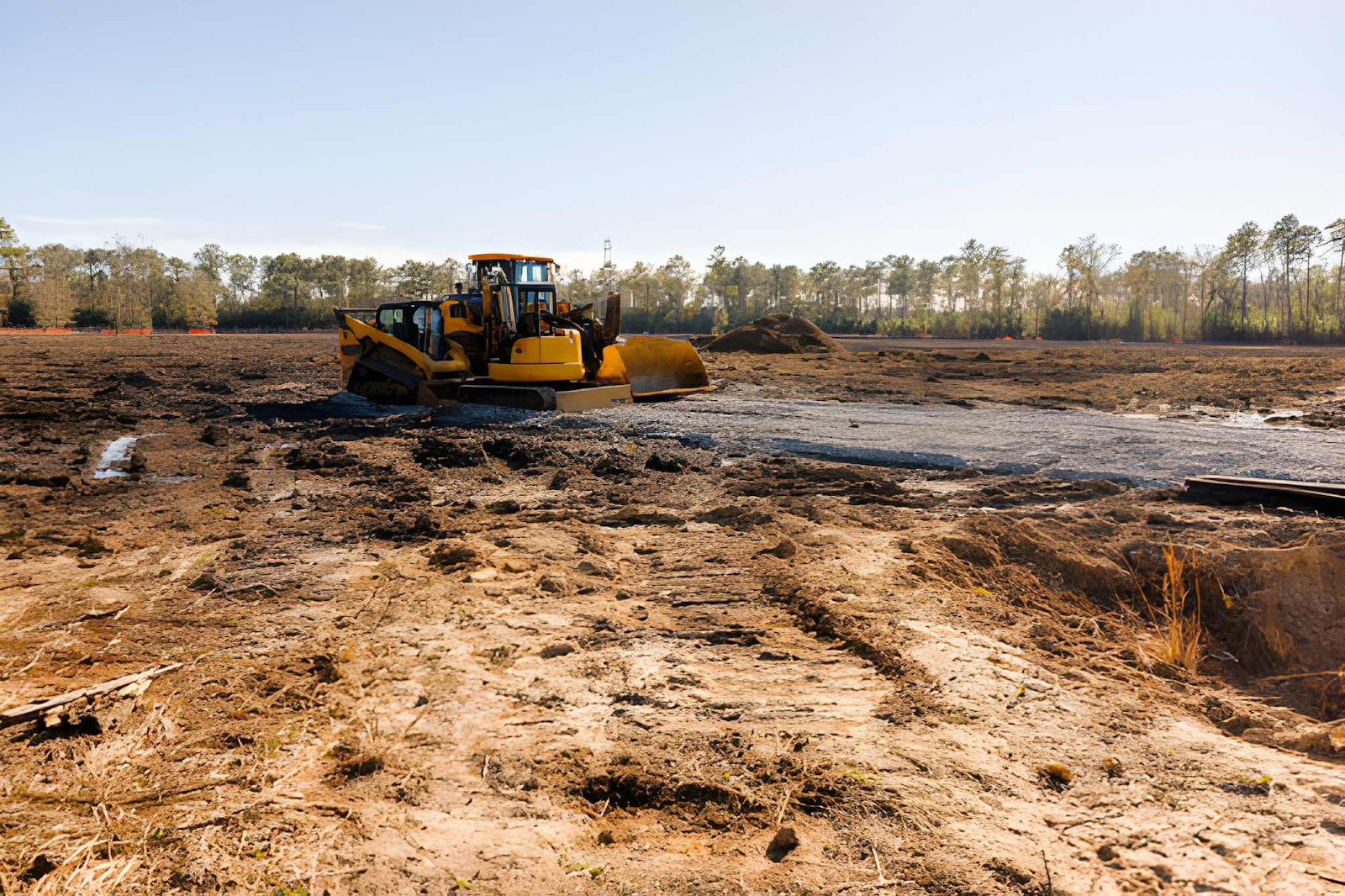
Before planting, remove thick vegetation, fallen limbs, and heavy brush. You should also consider removing small saplings to allow more sunlight. If the land is overgrown, professional clearing services can prepare the area without disturbing the soil. BHH Land Clearing provides brush-clearing options that protect soil health.
Managing Weeds
Weeds compete with your planting mix and reduce plant strength. Controlling weeds before planting ensures better growth. A no till method relies on suppressing weed coverage rather than overturning the soil.
Choosing the Right Planting Mix for No-Till Food Plots in Georgia
The planting mix determines how well your food plot performs across seasonal changes. Georgia’s climate supports a wide range of seeds, but some do better in no-till conditions.
Annual Options
Annual blends grow quickly and create dense coverage. These mixes often include grains and fast-growing greens. They help establish quick food sources for deer during key times.
Perennial Options
Perennial blends return each year once established. These mixes grow deeper roots and tolerate dry conditions well. They also support soil improvement over long periods.
Combination Mixes
Many landowners use a combination planting mix that blends both annual and perennial plants. This ensures early growth and long-term coverage.
When selecting a mix, consider the amount of sunlight, the soil type, and the wildlife population in your area.
How to Prepare Land for Small No-Till Food Plots in Georgia
Small plots that GA hunters rely on often sit in shaded or semi-open areas. These locations offer natural cover for deer and encourage daytime activity. Preparing these small plots requires careful planning to use available space effectively.
Step One: Clear Light Vegetation
Clear leaves, branches, and surface debris. The goal is to expose soil without disturbing it. This makes seed-to-soil contact easier and improves germination.
Step Two: Use a Seed Spreader
A simple hand spreader or push spreader covers the area evenly. Broadcast seeds in thin layers to avoid crowding and allow better airflow.
Step Three: Apply Cover Material
After broadcasting seed, apply a light layer of organic cover. This may include leaves, grass clippings, or natural debris. This cover protects the seed and reduces moisture loss.
Step Four: Monitor Growth
Monitor moisture, weed development, and early plant growth. Adjustments early in the season produce stronger results.
Advantages of No-Till Food Plots for Deer Habitat
No-till food plots provide several benefits for wildlife habitat and landowners.
Better Soil Health
No till systems keep soil undisturbed. Healthy soil supports stronger plants and improved root development.
Reduced Erosion
Georgia properties often experience heavy rain. No till plots keep the soil stable during these conditions.
More Consistent Deer Movement
A well-managed deer food plot supports safe movement and steady feeding. This helps hunters understand deer patterns.
Lower Maintenance
No till systems require fewer tools and less seasonal effort. Many landowners maintain successful plots by focusing on weed control and plant selection.
Common Mistakes to Avoid With No-Till Food Plots
New landowners often make mistakes that limit food plot success. Understanding these issues helps you build stronger deer food plots from the start.
Using the Wrong Seed Mix
Seeds designed for tilled soil may not perform well in no-till conditions. Always select a planting mix created for surface planting.
Skipping Soil Prep
Soil prep is a major step. Low pH or nutrient-poor soil limits plant growth, even with no till methods.
Planting Too Deep
No till planting relies on thin seed coverage. Deep planting prevents germination and weakens overall growth.
Ignoring Sunlight Requirements
Some plants need more sunlight than others. Plots with heavy shade need specific species to thrive.
When to Plant No-Till Food Plots in Georgia
Georgia has a long growing season. The right planting time depends on your goals and seed mix. Cool-season blends perform well before winter, while warm-season blends thrive under longer daylight and higher temperatures.
Monitoring local weather helps you determine the best planting window. For further guidance, you can reference the University of Georgia Extension resources for planting recommendations.
How BHH Land Clearing Supports Georgia Landowners
Many properties require clearing before planting a deer food plot. Thick brush, fallen trees, and overgrown vegetation make it difficult to prepare a plot correctly. BHH Land Clearing offers forestry mulching, brush clearing, and land preparation services that protect soil conditions and support no till systems.
These services help landowners create cleaner planting zones, improve sunlight exposure, and develop healthier land for long-term use.
Conclusion
No-till food plots help Georgia hunters create strong feeding areas for deer without disturbing the soil. These plots work well on small or large properties and offer benefits for both wildlife and land health. When you prepare the land correctly and choose the best planting mix, you create a plot that supports deer throughout changing seasons.
If you want help preparing land for a deer food plot or need expert guidance on no-till systems, contact BHH Land Clearing to schedule a consultation and review your options for building a productive wildlife habitat.
Frequently Asked Questions
1. Are no-till food plots effective in shady areas?
No-till food plots can grow in shaded areas when you select a planting mix designed for limited light. Some seed blends thrive under low sunlight and maintain steady growth.
2. Do no-till plots require fertilizer?
Fertilizer may help in nutrient-poor soil. Testing the soil helps you decide whether fertilizer will support your plants.
3. How long does it take to see results?
Plant growth depends on soil, moisture, and seed selection. Many plots show growth once roots establish.
4. Should I use mulch on the plot?
A light mulch layer protects the seed from direct sunlight. It also keeps moisture in the soil and supports germination.